A natural "detox cure" is primarily a lifestyle framework: simpler diet, hydration, sleep, activity, reduction of irritants.
The body already has elimination systems (liver, kidneys, intestines): the goal here is realistic physiological support, without "miracle" promises.
Health precaution.
"Detox" diets can deprive the body of essential nutrients and are not suitable for everyone.
Professional advice is recommended before starting, especially in case of illness, pregnancy/breastfeeding, medication, or liver history.
In an era where well-being and health occupy a central place, natural detox is often used as a framework to restore order:
simpler diet, hydration, rhythm, stress management. Among the key organs involved, the liver plays a major role in the transformation of many substances.
Why a natural detox?
A "detox" (short for "detoxification") is generally presented as a process aimed at eliminating undesirable substances.
In practice, truly useful approaches primarily involve:
- reducing irritants (alcohol, ultra-processed foods, excess sugar),
- increasing protective intake (fiber, micronutrients, hydration),
- optimizing natural functions (sleep, activity, stress management).
To remember. A relevant "detox" is not a punitive cure: it's a reset of 7–21 days (often 7–14 is enough) that aims for regularity and simplicity.
Mini-checklist (to stay reasonable)
-
Duration: 7–14 days (often sufficient).
-
Restriction: moderate (avoid extremes).
-
Focus: fiber + protein + sleep.
-
Risk: deficiencies if the cure is too strict.
Useful Resources (Shamballa)
For a supplement, traceability (COA, contaminants, batch) and usage precautions always take precedence.
Importance of the liver in metabolic balance
The liver is involved in many processes: energy metabolism, synthesis, storage, and transformation of substances.
When lifestyle deteriorates (alcohol, sedentary lifestyle, caloric excess), liver disorders can appear,
including fatty liver disease (steatosis) and, more rarely, progress to more severe forms.
Not to be confused. "Supporting the liver" ≠ "treating a liver disease."
In case of suspected steatosis/MASLD, only medical advice + an appropriate assessment are valid.
Certain (non-specific) signs may prompt a review of one's lifestyle:
- Persistent fatigue
-
Digestive discomfort (bloating, heaviness)
-
Dull skin / imperfections
-
Food sensitivities (to be discussed with a professional)
-
Difficulty losing weight (multifactorial)
-
Frequent headaches (to be investigated)
-
Bad breath (multiple causes)

Preparing a detox with a chelating agent: caution and framework
The use of "chelating" agents is sometimes mentioned for the elimination of certain metals.
Caution: in medicine, therapeutic chelation responds to precise indications, under supervision.
In a well-being approach, we will rather speak of support (fiber, antioxidants, quality), without over-promising.
Understanding "chelators" (broadly)
Often found: alpha-lipoic acid (ALA), N-acetyl-cysteine (NAC), chlorella, spirulina, apple pectin... and shilajit.
Key point. The words "detoxify" or "chelate" cover very different realities depending on the context (medical vs. well-being).
For the reader, the useful benchmark is: prioritize a global framework (diet, sleep, activity) and, if supplementing, demand demonstrable quality.
Choice: prioritize quality and analysis
Shilajit is sought after for its humic compounds (including fulvic/humic acids).
This is precisely the type of product where quality (purification, contaminant control) is non-negotiable.
Planning & monitoring
- Realistic duration (7–14 days).
- Moderate restriction (otherwise crash & compulsions).
- Monitoring of tolerance (digestion, energy, sleep).
- Stop + professional advice if unusual symptoms.
Food and hydration: the real leverage
A balanced diet and adequate hydration are pillars for supporting liver and metabolism.
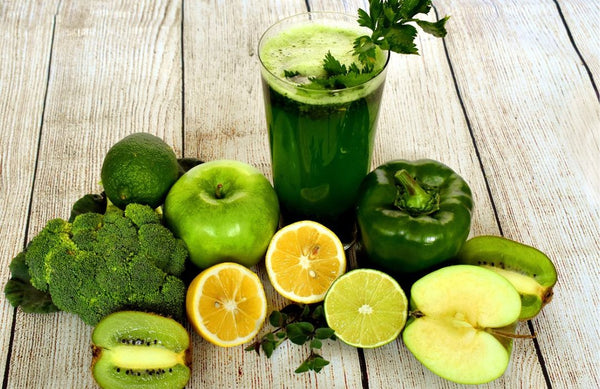
Foods to prioritize
-
Green vegetables (spinach, kale, arugula): fiber + micronutrients.
-
Citrus fruits: vitamin C (within a global framework).
-
Red fruits: antioxidant density.
-
Fiber (legumes, whole grains): transit + microbiota.
-
Proteins (fish, eggs, legumes): satiety + tissue support.
Foods to avoid or limit
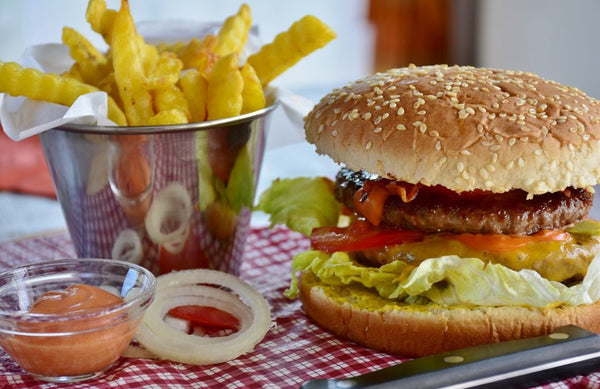
- Ultra-processed foods (additives, excess sugar, poor quality fats).
- Fried foods and excess saturated fats.
-
Alcohol: ideally a total break during the period.
Hydration
Drinking enough water helps fluid balance. "Lemon" drinks can especially help some people drink more (the main effect remains hydration).

Simple rule. If a "detox" makes you irritable, weak, obsessed with food or control: the framework is probably poorly designed.
Plants and supplements: useful, but not magical
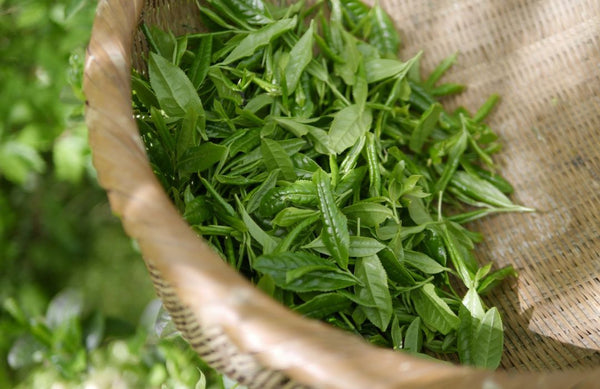
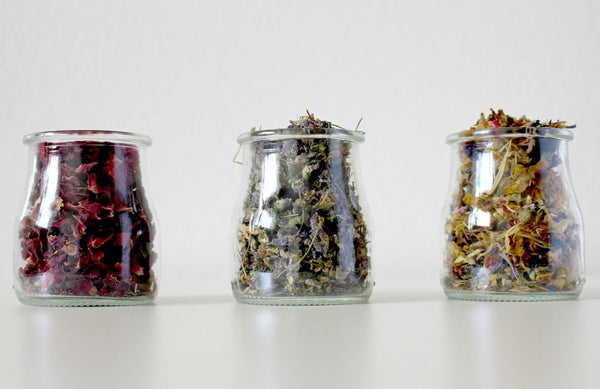
Medicinal plants and certain supplements can be allies through digestion, comfort, and antioxidant support. The benefit depends on the context and individual tolerance.
Common plants
-
Dandelion (traditional use)
-
Milk Thistle (silymarin: abundant literature, caution on promises)
- Artichoke
- Turmeric
-
Rosemary, fennel, nettle (digestive comfort/draining depending on use)
Frequently cited supplements
-
NAC (glutathione precursor)
- Choline
- ALA
-
Chlorella / Moringa (variable tolerance)
-
Humic/Fulvic complex (shilajit): benchmarks on fulvic & humic.
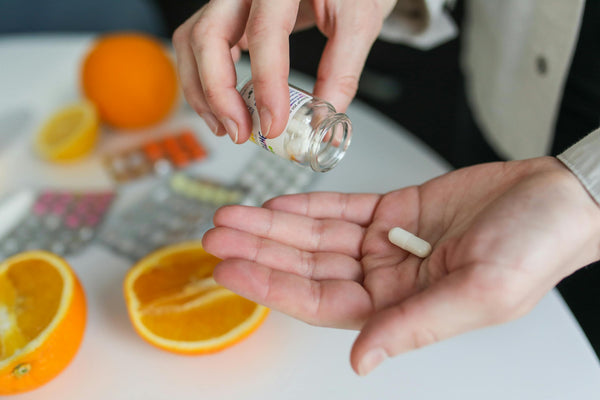
Quality & interactions. "Natural" does not mean "risk-free."
Some concentrated extracts can interact with medications or be poorly tolerated.
"Detox" techniques: what is actually useful
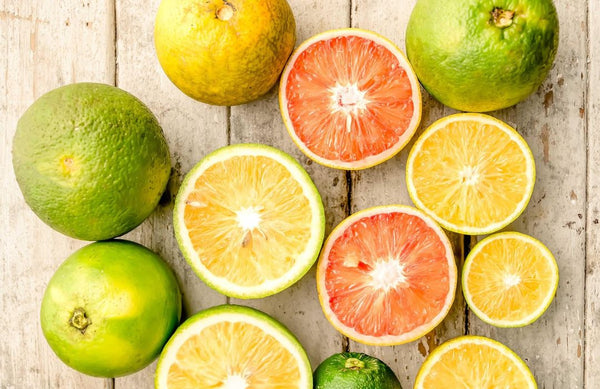
Lemonade
It can help increase hydration. Simple approach: water + lemon (optional), rather than extreme recipes.
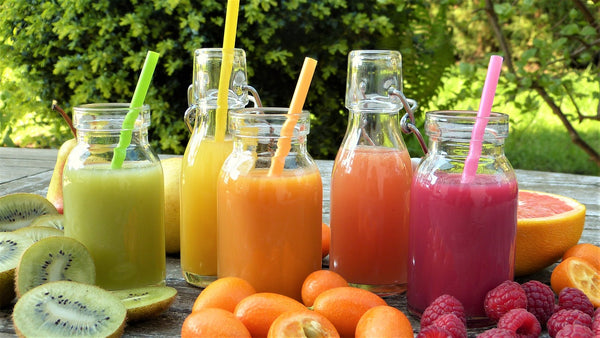
Juice cleanses
Juices provide micronutrients but remove some of the fiber. If you do them: short duration + keep protein/fiber throughout the day.
Intermittent fasting
Can help some people structure their intake. Not mandatory and not suitable for everyone.
Sauna
Interesting for relaxation/circulation. Beware of dehydration and contraindications.
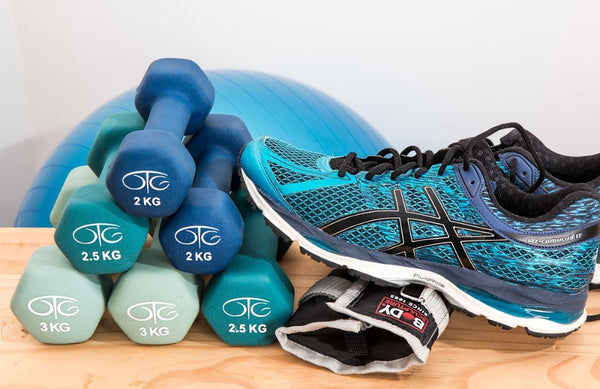
Physical exercise
Regular activity is one of the best long-term levers: metabolism, mood, sleep.
Relaxation & sleep
Chronic stress disrupts behavior and sleep. Prioritize breathing, walking, regularity.

Monitoring and precautions
Consultation
Before a cure, especially if you have a history or are on medication, seek medical/nutritional advice.

Monitor for signs of distress
Nausea, dizziness, excessive fatigue, marked digestive disorders: stop + professional advice.
Avoid extremes
Ultra-restrictive cures are the riskiest (deficiencies, yo-yo effect, stress).
Sustainable approach. The best indicator is what remains after: 2-3 stable routines (simple diet, walking, sleep).
Graphene & nanoparticles: emerging topic, maximum caution
Nanoparticles (including certain forms of carbon like graphene) are a research topic.
Effects depend on: size, shape, exposure route, dose, duration.
To date, there is no validated public protocol to "detoxify graphene."
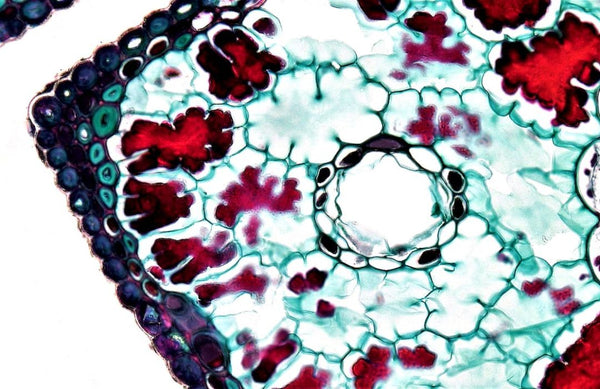
Scientific point. Some publications (e.g., non-human models) cannot conclude efficacy in humans.
Interpret them as leads, not as clinical evidence.
Shilajit: reliable benchmarks
Shilajit is often highlighted for its humic compounds.
To remain factual:
- Start with quality, purification, controls (COA, contaminants).
- Avoid absolutes: tolerance is variable depending on the individual.
- Consult precautions, especially in case of treatment or kidney fragility.
To go further (Shamballa)
Two frequently cited studies (correct framework)
- 2014: "antidote" effect of humic acids on graphene toxicity — non-human model.
- 2016: discussion of humic acids in lead intoxication — scientific framework, without "public" conclusion.
| Reference |
What can be said |
What cannot be concluded |
| Humic acid & graphene (2014) |
Mechanistic / non-clinical lead |
"Detoxifies graphene in humans" |
| Humic acids & lead (2016) |
Scientific reflection / toxicological context |
"Universal chelator without framework" |
Natural detox cure program (7 days) — practical
Example. Adapt portions and substitutions according to preferences, allergies, energy needs.
Shilajit option (if relevant).
If a supplement is integrated: prefer an analyzed product and follow the precautions.
→
COA •
risks & precautions
Day 1: Gentle Detoxification
- Upon waking: hydration (water, optional lemon).
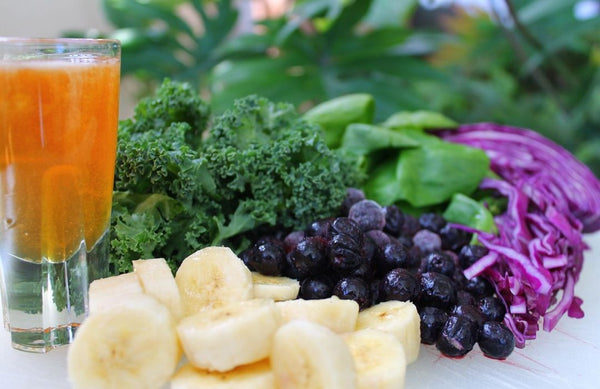
- Breakfast: green smoothie (spinach, banana, avocado, almond milk).
- Snack: raw nuts.
- Lunch: salad + protein (chicken/eggs/legumes).
- Snack: crudités + hummus.
- Dinner: fish + roasted vegetables + quinoa.
Day 2: Hydration & Elimination
- Breakfast: hydrating smoothie (watermelon, cucumber, mint, lemon).
- Snack: kiwi.
- Lunch: vegetable soup + lentils.
- Snack: cucumber + guacamole.
- Dinner: tofu + vegetables + brown rice.
Day 3: Reducing Inflammation (lifestyle)
- Breakfast: chia pudding + berries + flax seeds.
- Snack: pear.
- Lunch: quinoa + chickpeas + spinach.
- Snack: celery + beetroot hummus.
- Dinner: chickpea curry + cauliflower + basmati rice.
Day 4: Strengthening "Terrain"
- Breakfast: berry smoothie + protein (depending on tolerance).
- Snack: orange.
- Lunch: kale + avocado + chicken + olive/cider vinaigrette.
- Snack: yogurt (or alternative) + seeds.
- Dinner: turkey + asparagus + quinoa.
Day 5: Stress Reduction
- Breakfast: cinnamon oatmeal porridge + apple.
- Snack: cashew nuts.
- Lunch: grilled vegetable wrap + tahini.
- Snack: cucumber + cottage cheese (or alternative).
- Dinner: salmon + broccoli + wild rice.
Day 6: Intestinal Rebalancing
- Breakfast: "probiotic" smoothie (yogurt/kefir depending on tolerance).
- Snack: kiwi.
- Lunch: vegetable stir-fry + white beans.
- Snack: berries.
- Dinner: chicken coconut curry + snap peas + rice.
Day 7: Regeneration & Relaxation
- Breakfast: banana/strawberry smoothie bowl + seeds.
- Snack: almonds.
- Lunch: edamame + radishes + young shoots + balsamic.
- Snack: bell pepper + hummus.
- Dinner: grilled fish + asparagus + lemon.
Disclaimer. Informational article, not a substitute for medical advice. Each situation is unique.
FAQ — Natural Detox Cure
The body already has elimination functions. A useful "detox" is primarily a habit reset:
less alcohol/ultra-processed foods, more fiber, better sleep, regular activity.
Often 7 to 14 days. Beyond that, the risk of excessive restriction increases if the framework is poorly designed.
Juices provide micronutrients but remove some fiber and can be too sugary.
They don't magically "detoxify": the main thing remains the overall lifestyle.
- Extreme restriction (deficiencies, fatigue, compulsions).
- Forgetting protein and fiber (satiety/tolerance).
- Neglecting sleep (major leverage).
- Multiplying supplements without framework or quality.
Priority:
analysis, purification, traceability and adherence to precautions. "Natural" does not mean "risk-free."
Useful links:
COA,
risks & precautions.
References (external) & resources
Selection focused on "primary sources / recognized organizations."
-
NIDDK (NIH) — Nonalcoholic Fatty Liver Disease (NAFLD):
reference page
-
EASL — Patient guideline (MASLD):
PDF
-
PubMed (2014) — Humic acid & graphene:
PMID: 24857237
-
PubMed (2016) — Humic acids in lead intoxication:
PMID: 27526696
-
Cleveland Clinic — Detox/cleanses (health education):
"detox" search